
The Heart of Custom Cabinetry: Woodworking That Stands the Test of Time
From joinery to finishing — the craftsmanship that makes every IZZA cabinet exceptional
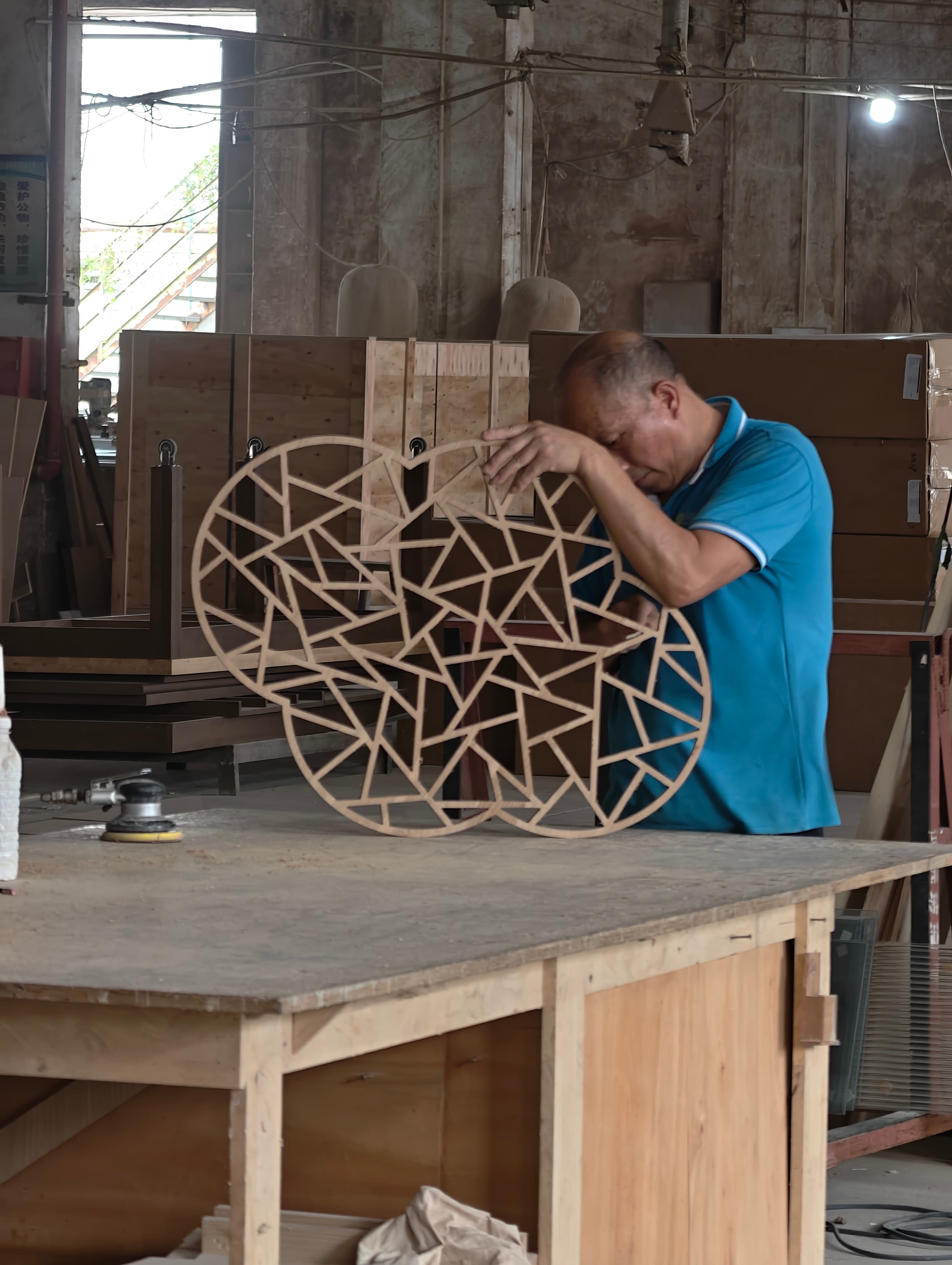
Before the CNC machines cut, before the finishes are applied, before anything is packed for shipping — there's the woodworking. This is where custom cabinetry truly comes to life.
At IZZA Cabinet, we don't just build boxes. We craft furniture that will be touched, opened, and relied upon every day for decades. And that starts with a deep respect for the wood itself — and the skills required to turn it into something beautiful and enduring.
In this post, we take you inside our workshop to explore the woodworking techniques, materials, and craftsmanship that define every IZZA project.
Why Woodworking Matters in Custom Cabinetry
In an age of mass production, it's tempting to think cabinetry is just cutting boards and screwing them together. But real custom cabinetry is different. It's built with:
Precision joinery that holds tight without relying on glue alone
Proper wood selection and moisture management to prevent warping
Careful assembly that keeps cabinets square and true
Attention to grain, color, and texture that makes each piece unique
These aren't details — they're the foundation of quality. And they're what separates a cabinet that lasts 10 years from one that lasts 40.
The Wood: Choosing the Right Material for the Job
Wood is not a uniform material. Every species, every cut, and every board has its own character — and its own appropriate use.
Common Species We Work With:
Species Characteristics Best For
Oak Durable, prominent grain, warm tone Traditional kitchens, high-traffic areas
Walnut Rich dark brown, smooth grain, elegant Premium projects, modern designs
Maple Fine, consistent grain, light in color Contemporary kitchens, painted finishes
Cherry Warm reddish tone, ages beautifully Traditional and transitional styles
Birch Affordable, stable, good for painted finishes Budget-conscious custom projects
Ash Strong with open grain, similar to oak Durable applications, natural finishes
Engineered Wood Products
While solid wood is beautiful, engineered wood products often outperform it in cabinet construction — especially in areas prone to humidity or temperature changes.
Plywood – We use high-quality plywood for cabinet boxes. It's dimensionally stable, resists warping, and holds screws better than solid wood.
MDF (Medium-Density Fiberboard) – Ideal for painted doors and panels. It has a smooth, grain-free surface that takes paint beautifully and won't expand or contract like solid wood.
Veneered Panels – A thin layer of premium wood veneer over a stable substrate offers the beauty of solid wood with greater stability and cost efficiency.
Moisture: The Woodworker's Constant Concern
Wood moves. It absorbs moisture from humid air and expands; it releases moisture in dry conditions and contracts. Proper woodworking accounts for this.
How We Manage Moisture:
Kiln-Drying – Every board we use is kiln-dried to the correct moisture content for its intended environment.
Acclimation – We allow materials to rest in our workshop before processing, so they adjust to the shop's climate.
Seasonal Consideration – When selecting and storing wood, we consider the season and shipping destination's climate.
Proper Sealing – We seal all surfaces (not just visible ones) to slow moisture exchange and minimize movement.
Wood that hasn't been properly dried will warp, crack, or loosen joints over time. We never cut corners here.
Joinery: The Language of Strength
The joints that hold your cabinets together determine their strength, durability, and appearance. Here are the techniques we rely on:
Dovetail Joints
Often used in drawer construction, dovetail joints are interlocking and incredibly strong. The "tails" and "pins" interlock to resist pulling apart — even under heavy loads.
Our standard: Through dovetails for visible quality, half-blind dovetails for smooth-front drawers.
Mortise and Tenon
One of the oldest and strongest joinery methods. A tenon (a projecting piece of wood) fits precisely into a mortise (a corresponding hole) — creating a right-angle joint that won't twist or pull apart.
Used for: Door frames, cabinet face frames, and structural components.
Dowel Joinery
Precision-drilled holes and hardwood dowels create strong, aligned joints that are invisible from the outside.
Used for: Frame assembly, panel connections, and edge-joining.
Pocket-Hole Joinery
Hidden screws driven at an angle into the workpiece. This is a modern technique that creates strong joints while keeping the surface clean.
Used for: Face frames, cabinet boxes, and interior assemblies.
Biscuit Joinery
Thin, oval-shaped biscuits inserted into matching slots create alignment and surface strength — especially useful for edge-joining panels.
Cabinet Construction Methods: Two Main Approaches
There are two primary ways to build custom cabinets. We use both, depending on the project's requirements.
Construction Type Description Best For
Frameless (European-Style) Box construction with no face frame. Doors attach directly to the cabinet box. Modern kitchens, clean lines, maximum storage
Face Frame (American-Style) A frame is attached to the front of the cabinet box. Doors attach to the frame. Traditional kitchens, period homes, classic styles
Both have advantages. Frameless cabinets offer more accessible storage and a contemporary look. Face frame cabinets provide additional structure and a traditional aesthetic. We help clients choose the right approach for their style and budget.