
Behind the Scenes: Inside the IZZA Cabinet Warehouse
Where quality is preserved, orders are perfected, and your cabinets begin their journey home
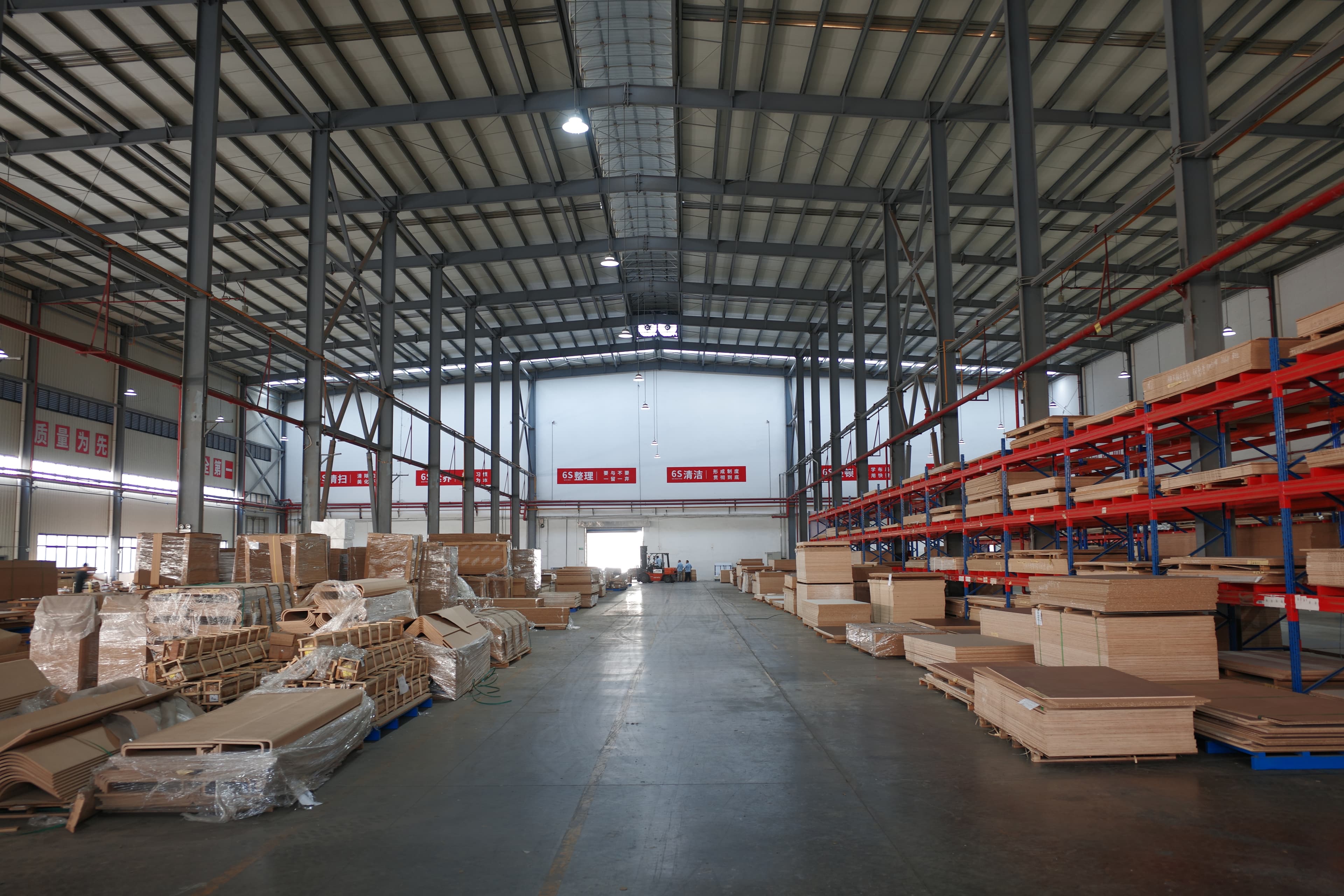
When you think about custom cabinetry, you probably picture the workshop — sawdust in the air, craftsmen at their benches, machines shaping wood with precision. And rightly so. That's where your cabinets are born.
But there's another space just as critical to delivering your project successfully: the warehouse.
At IZZA Cabinet, our warehouse isn't just a storage area. It's a carefully managed hub where completed cabinets are inspected, organized, protected, and prepared for their journey across the ocean to your home in North America or Europe.
In this post, we open the doors to our warehouse and show you what happens between production and delivery — and why this stage matters more than you might think.
Why the Warehouse Matters
By the time your cabinets reach the warehouse, the most exciting part — the design and craftsmanship — is already complete. Your custom pieces have been built with precision and care. But the journey isn't over.
The warehouse is where we ensure:
Every piece is accounted for — no missing components, no oversights
Quality is verified one final time — before anything is packed
Packaging is done right — to withstand international shipping
Orders are organized — so your contractor can install efficiently
Skipping or rushing this stage would risk damage, delays, and disappointment. That's why we give it the attention it deserves.
Step 1: Receiving and Inspection
When completed cabinets arrive from our workshop, the first stop is our receiving area. Every piece is carefully unloaded and moved into the inspection zone.
What We Check:
Quantity – Are all components present according to the packing list?
Surface condition – Any scratches, dents, or finish flaws?
Dimensions – Do panels match the approved design specifications?
Color consistency – Are all finished pieces the same shade?
Hardware – Are hinges, slides, handles, and accessories included?
We take this inspection seriously. If something isn't perfect, it doesn't move to the next stage. We flag it, photograph it, and resolve it before any piece is packed for shipping.
Step 2: Quality Verification Through Pre-Assembly
For larger projects, we take quality verification a step further — by assembling sections of the order in the warehouse before anything is packed.
Why We Pre-Assemble:
Catch fit issues early – If a panel is cut slightly wrong, we find out in our warehouse, not in your home
Test hardware function – Hinges, slides, and drawer runners operate smoothly
Verify assembly instructions – We confirm that parts go together correctly
Confirm project completeness – Every piece is present and accounted for
This proactive step saves time, money, and frustration on your end. When your cabinets arrive, your installer will find that everything fits, works, and comes together as designed.
Step 3: Cleaning and Final Surface Protection
Before packing begins, every cabinet receives a thorough cleaning. Dust, fingerprints, and any workshop residue are removed.
Then we apply final surface protection:
Corner protectors – On all vulnerable edges
Surface films – Peel-off protective film on finished panels
Hardware wrapping – To prevent scratches during transit
These extra steps ensure your cabinets arrive looking exactly as they did when they left our workshop — pristine.
Step 4: Expert Packaging for International Shipping
Packaging custom cabinetry for international shipping is a specialized skill. Your cabinets will travel thousands of miles, cross oceans, pass through multiple ports, and be handled by many people along the way.
We design every package to withstand that journey.
Our Packaging Process:
Individual Wrapping
Each panel and component is wrapped in protective foam or bubble wrap
Glass panels are packed with extra layers and marked "FRAGILE"
Hardware is bagged and labeled
Corner and Edge Protection
All corners, edges, and protruding sections are padded with thick foam or cardboard
Edge guards prevent impact damage
Pallet and Crate Packing
Items are stacked carefully on export-quality pallets
Heavy items at the bottom, lightweight on top
Loads are balanced to prevent tipping during shipping
Secured with heavy-duty straps and shrink wrap
Labeling
Each box, crate, and pallet is clearly labeled with:
Project name and client ID
Room or section (e.g., "Kitchen - Section A")
"This Side Up" and "Fragile" indicators
Weight and dimensions for customs
Container Loading
Pallets are loaded into standard 20ft or 40ft shipping containers
Loads are carefully arranged to maximize space and prevent shifting
Cargo strapped and blocked to stay secure during transit
Step 5: Documentation and Customs Preparation
For international shipments, accurate documentation is essential. Mistakes here can delay your order at customs — sometimes for days or weeks.
Documents We Prepare:
Packing list – Detailed inventory of every piece, with weights and dimensions
Commercial invoice – Clear description and value of goods (required for customs clearance)
Bill of lading – Contract with the shipping carrier
Certificates of origin – For tariff classification
Insurance documents – Coverage for loss or damage during transit
We work with experienced freight forwarders to ensure everything is correct and compliant with customs requirements in your country. This minimizes the chance of delays.
Step 6: Inventory Management and Order Tracking
Our warehouse isn't just for outgoing shipments — it's also where we manage materials and supplies for ongoing production.
Warehouse Systems:
Digital inventory tracking – Every panel, component, and accessory is logged
Location mapping – We know exactly where each piece is at any time
Order staging – Projects are grouped together to prevent mix-ups
Readiness confirmation – We double-check that an order is 100% complete before scheduling container loading
When you ask, "Is my order on schedule?" — our warehouse system gives us the answer instantly.
Step 7: Shipping Coordination
Once an order is packed and documented, we coordinate with shipping agents to schedule vessel loading and departure.
Shipping Considerations:
Port options – Choose the most efficient port near your destination
Shipping route – Direct vs. transshipment (fewer transfers = lower risk)
Transit time – Typically 30–45 days from departure to arrival
Destination services – Door-to-door delivery or port-to-port pickup
We'll confirm shipping details with you in advance, so you know when to expect your delivery.